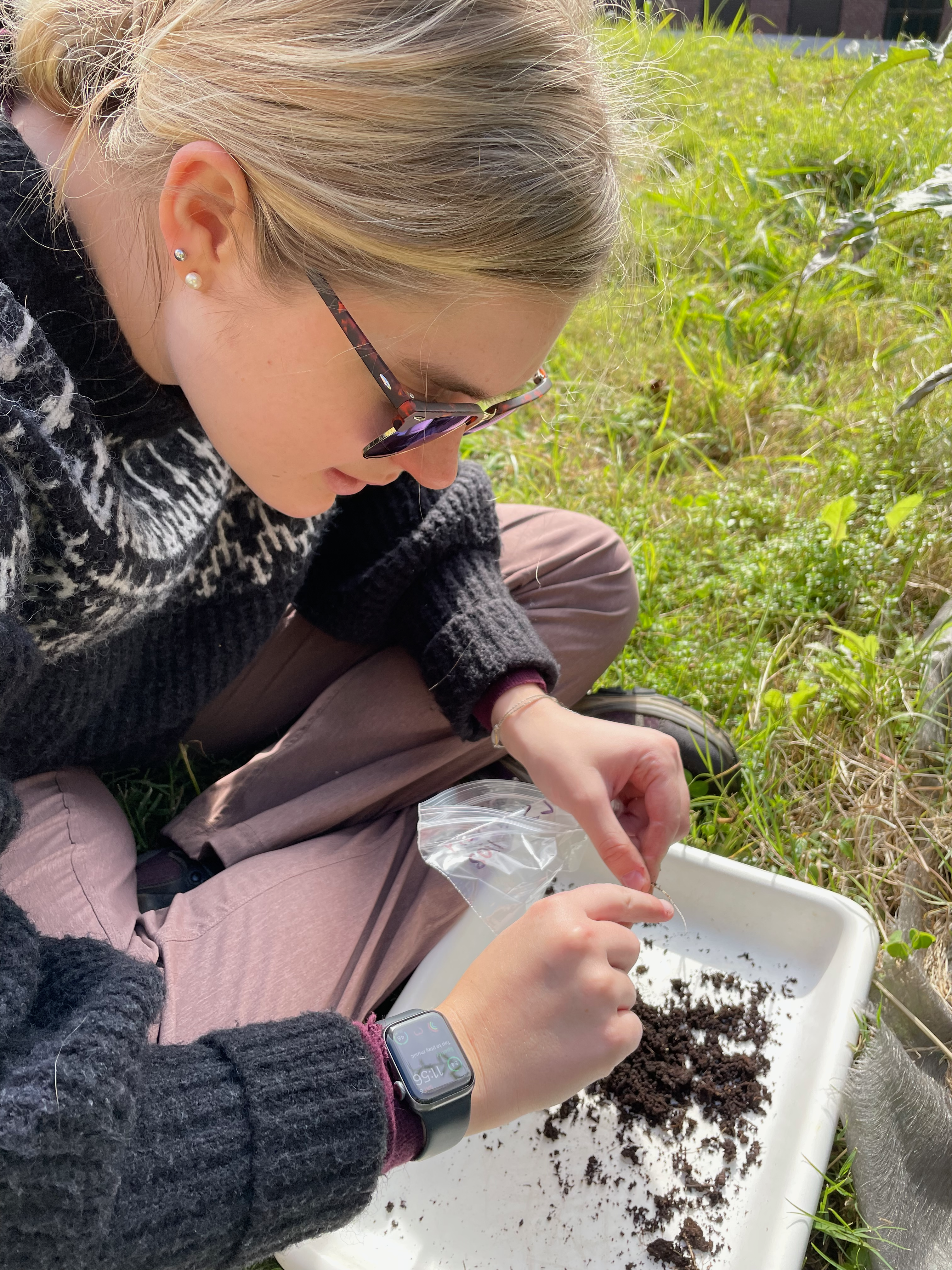



Biodiversity, Macroevolution, and Rarity
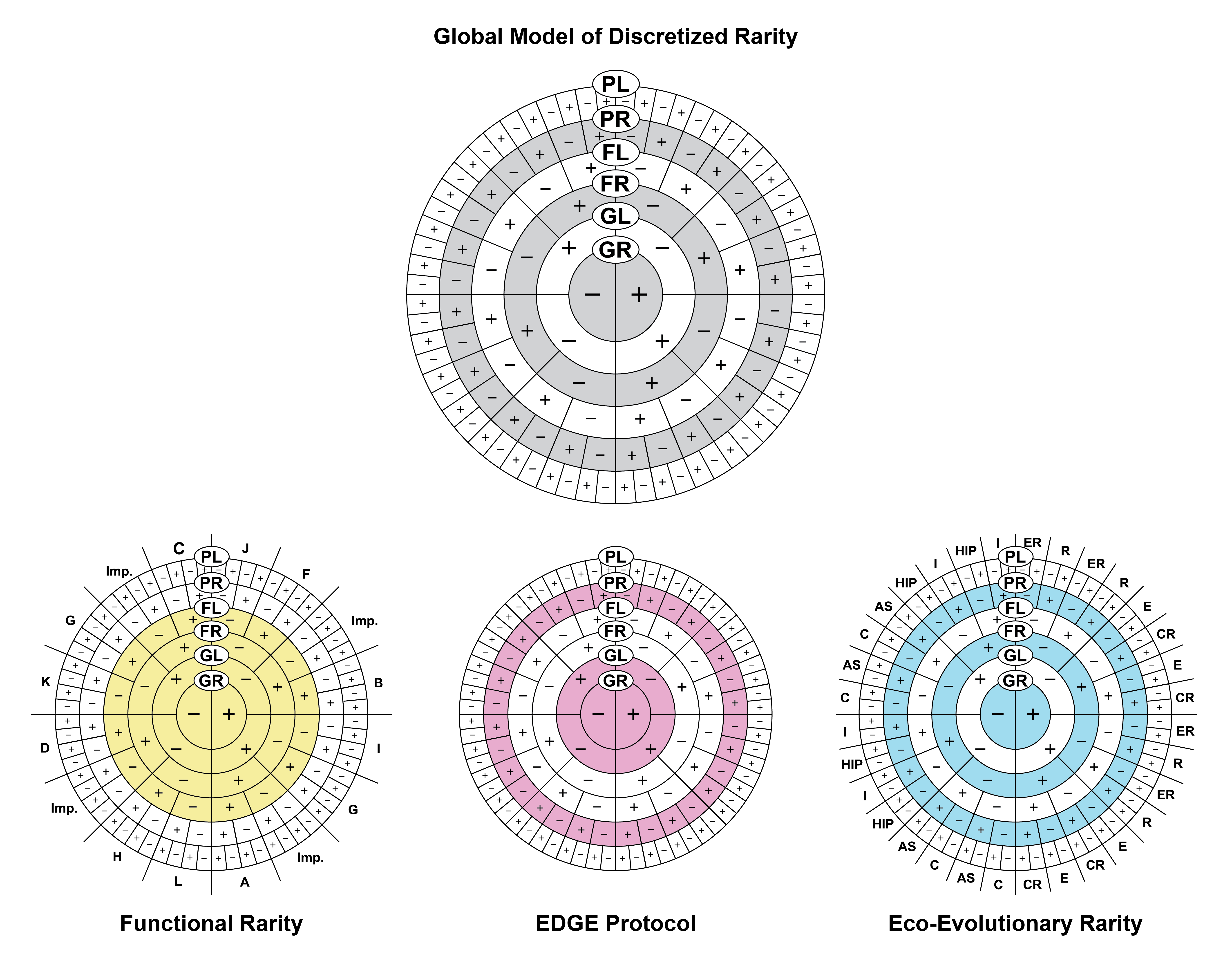
Defining rarity across geographic, functional, and phylogenetic dimensions at local and regional scales, and using this framework to identify the evolutionary processes generating rarity through time.
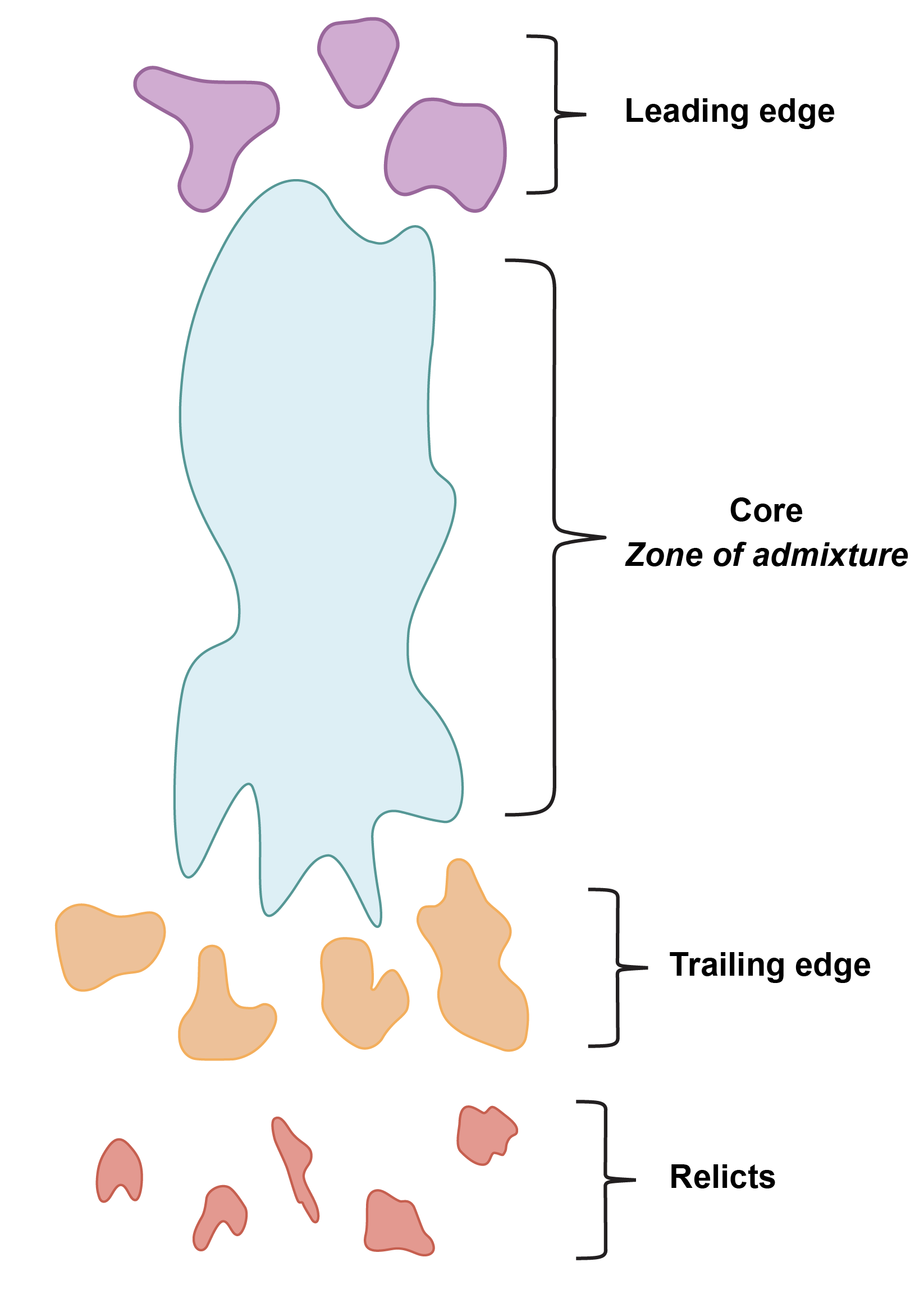
Using heterogenous graph neural networks to categorize temporal shifts in North American tree and bird ranges.
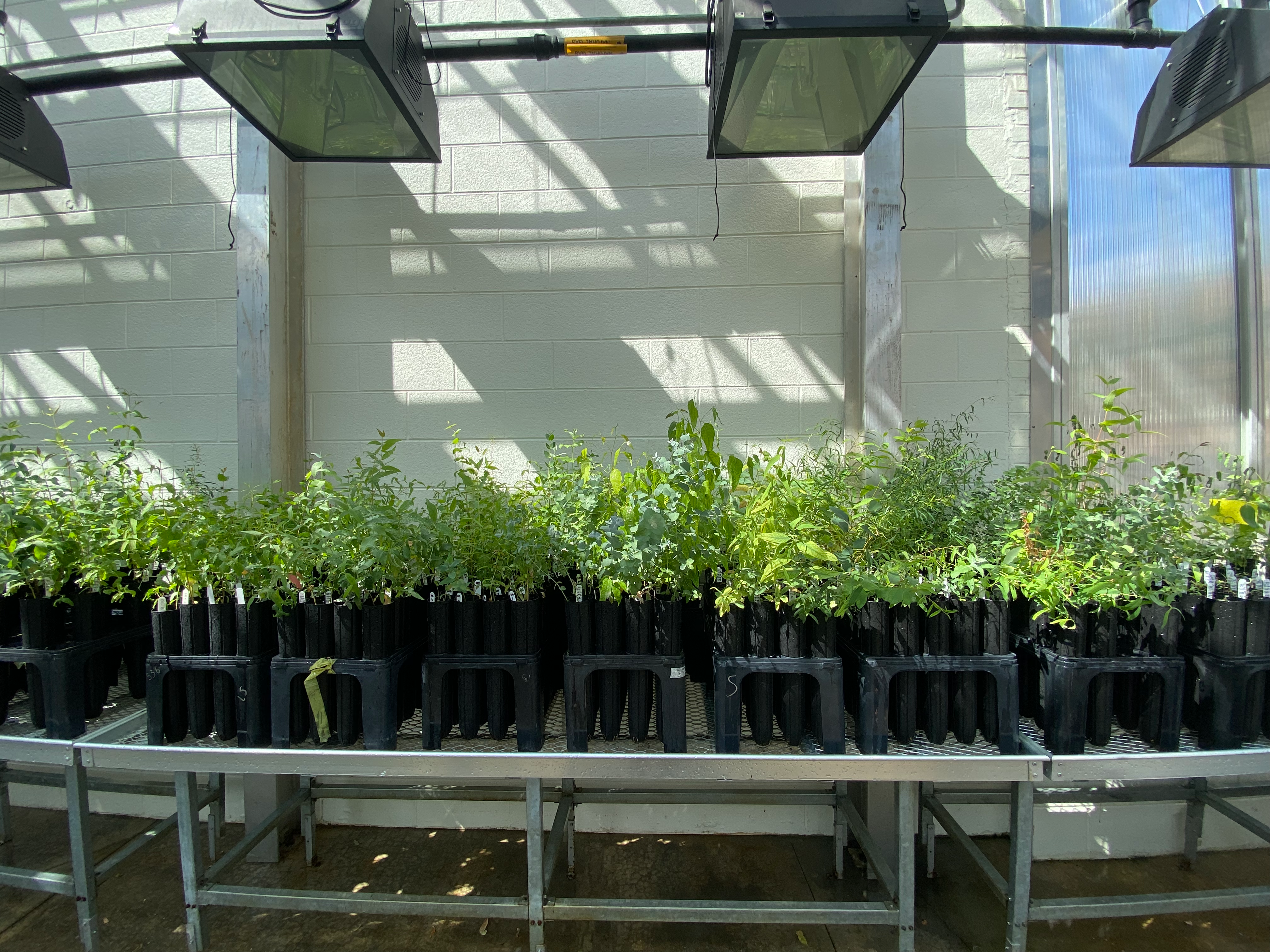
Tasmanian Eucalyptus as a model system to examine evolutionary drivers of rarity and rarity as a mediator of above and belowground interactions.
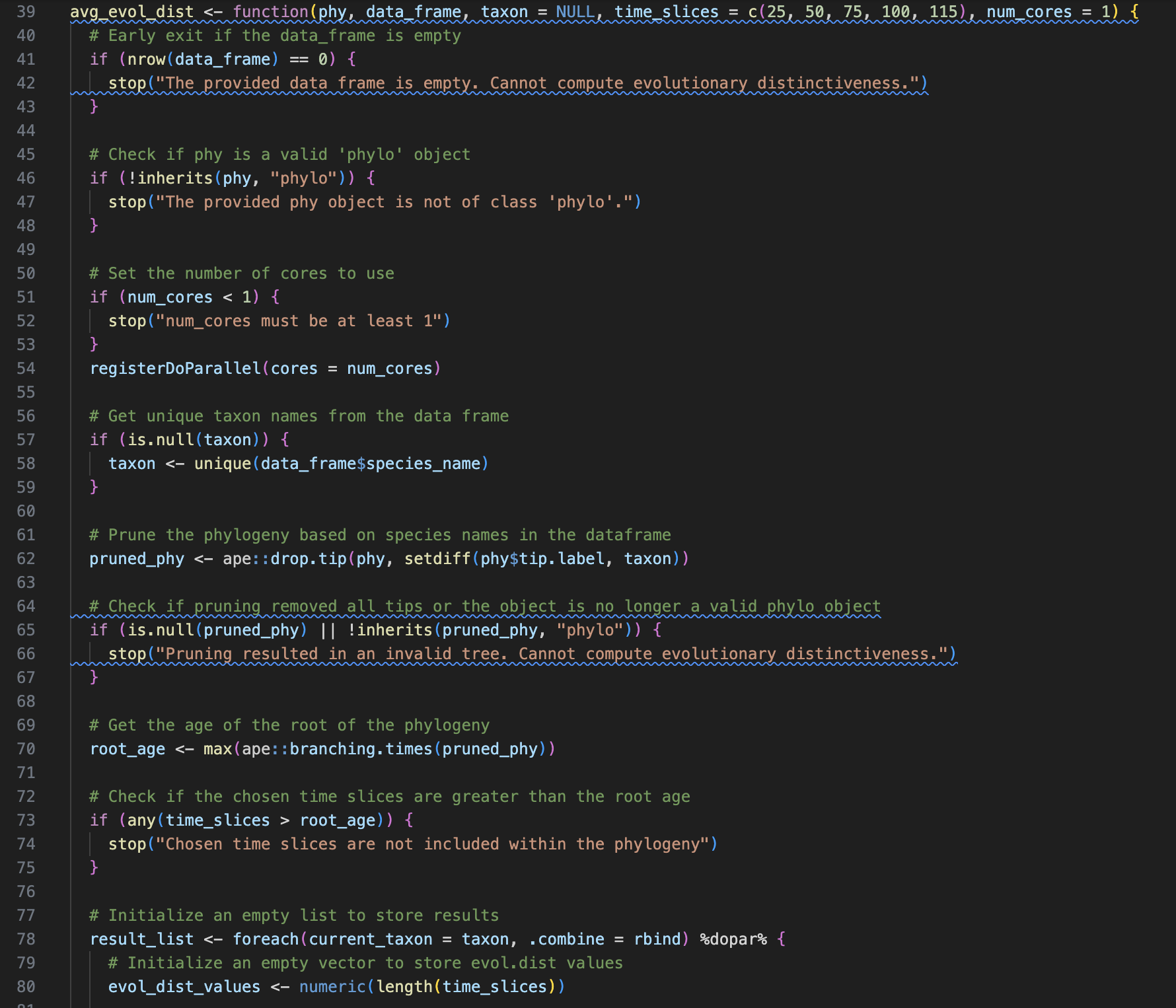
R and Python packages, web applications, and data visualization tools used to characterize, examine, and visualize rarity and global biodiversity.
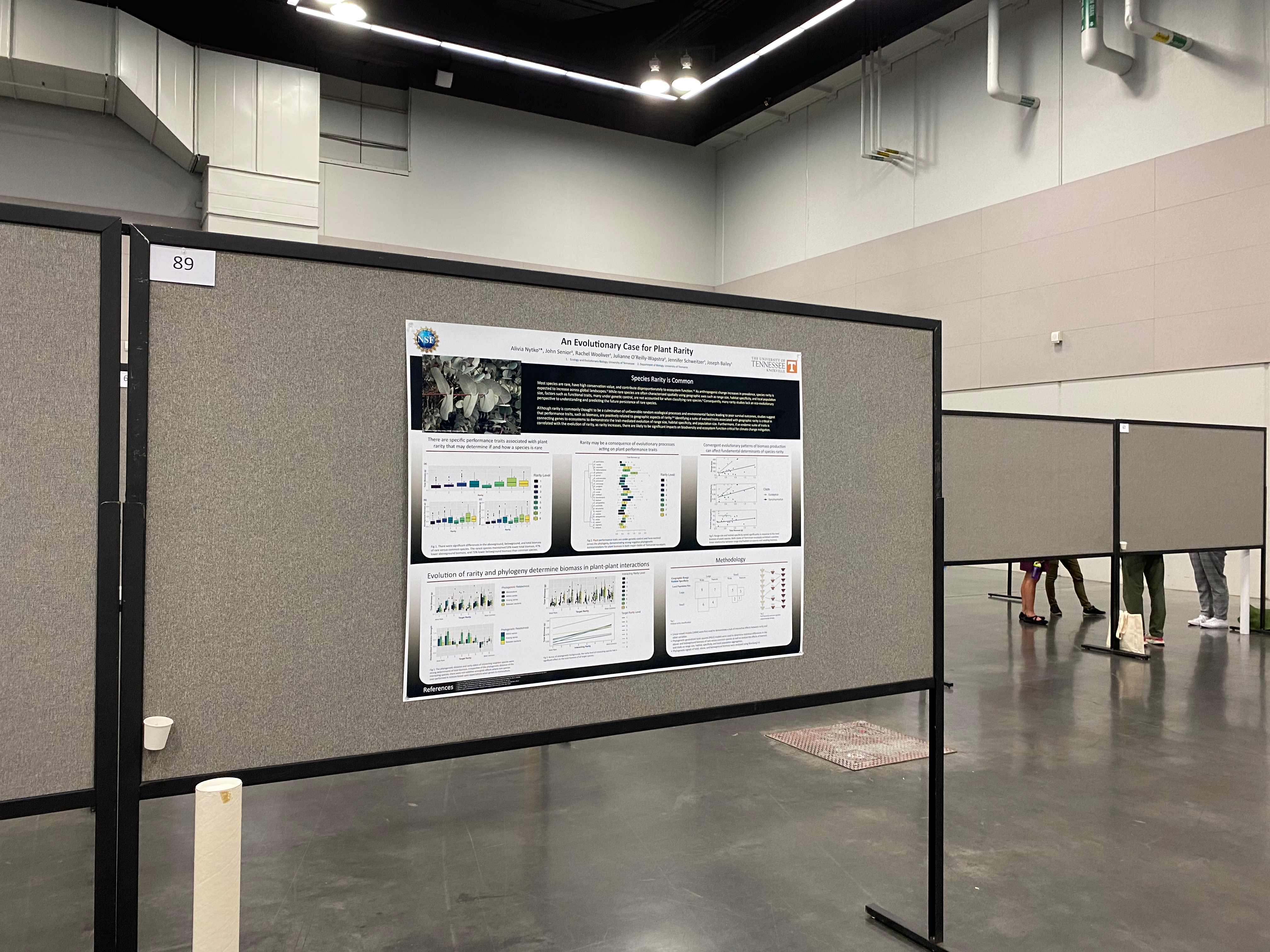
Conference, seminar, and invited presentation materials.

Materials for K-12 and collegiate educational events and workshops.
Stay tuned for more information.
Have a question or want to collaborate? Reach out below.